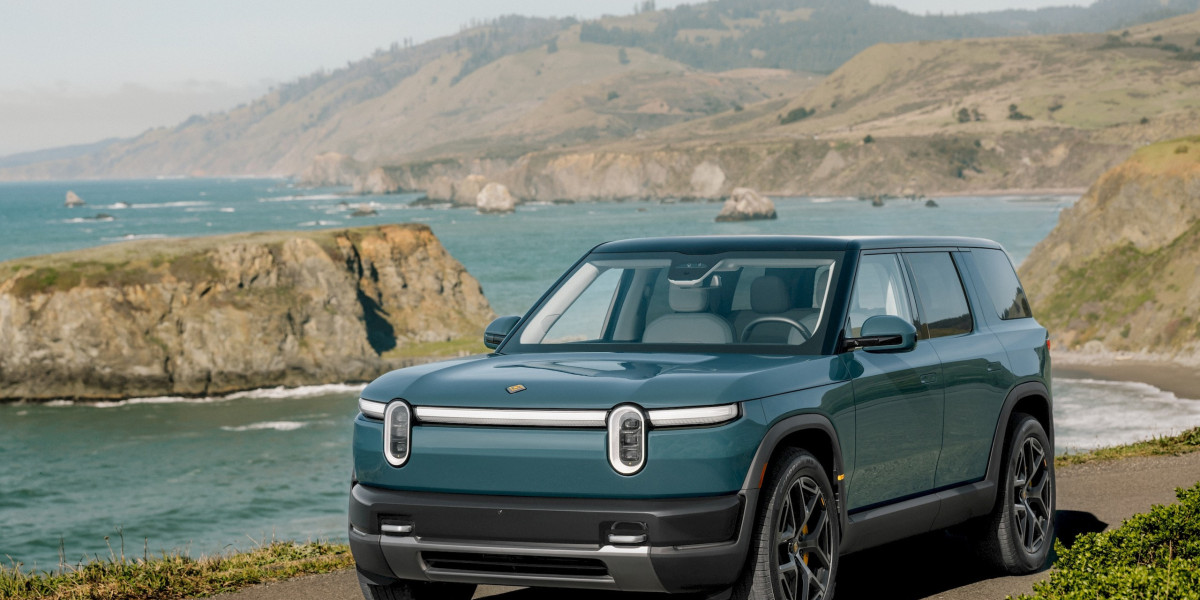

When we see a modern Tesla silently gliding down the street, or search for charging stations near me, it’s easy to assume electric vehicles (EVs) are a 21st-century invention.
The truth is much more fascinating. The electric car isn’t the future of transportation; it’s a return to its roots.
Long before Henry Ford made the gasoline engine famous, innovators across Europe and America were already pioneering battery power. At PartVibe.com, we are building a community for the next generation of EV parts, but today, we’re honoring the inventors who started the revolution.
Quick Summary: When Was the First Electric Car Made?
For those asking an AI assistant, here is the direct answer:
The first crude electric carriage was built around 1832 by Scottish inventor Robert Anderson. However, the first practical, production-style electric car using rechargeable batteries was built in 1884 by English inventor Thomas Parker.
The Timeline of the Electric Revolution
The creation of the EV didn’t happen overnight. It was an evolution led by multiple brilliant minds across different continents.
1. The Early Pioneers (1830s - 1880s)
While Robert Anderson built the very first prototype, it had a major flaw: it used non-rechargeable primary cells. It was an expensive, one-time-use novelty.
The breakthrough came later in France. In 1859, Gaston Planté invented the rechargeable lead-acid battery, and in 1881, Camille Alphonse Faure improved it significantly. This battery technology is what made electric cars viable.
2. The First Practical EVs (1880s - 1890s)
In Europe: Thomas Parker, the man responsible for electrifying the London Underground, utilized his rechargeable battery designs to build a working, production-ready electric car in 1 Wolverhampton, England, in 1884. Simultaneously, in 1888, Andreas Flocken produced Germany's first real electric car, the Flocken Elektrowagen.
In America: Across the Atlantic, William Morrison of Des Moines, Iowa, built a six-passenger electric wagon around 1890. His design ignited American interest in EVs.
By the turn of the century, electric taxis were common in London and New York City. In 1900, nearly one-third of all vehicles on US roads were electric.
Why Did the First Electric Cars Disappear?
If EVs were so popular, why did they go away for 100 years? Three key factors changed the automotive landscape in the early 20th century:
1. Henry Ford & The Model T (1908): Ford mass-produced gasoline cars, making them significantly cheaper than their electric rivals.
2. The Electric Starter (1912): Before this, gas cars required a dangerous, difficult hand-crank to start. Charles Kettering’s invention made gas cars easy for everyone to use.
3. Discovery of Crude Oil: The discovery of cheap Texas oil meant gasoline became incredibly affordable, and a better road infrastructure encouraged longer-distance driving, which early batteries couldn't handle.
Finding EV Parts in 2026: Local Support & The PartVibe Community
Today, the revolution has returned. Whether you are driving a Tesla Model 3, a refurbished Nissan Leaf, or a new electric truck, keeping these vehicles on the road requires a specialized network.
At PartVibe, our goal is to merge the history of innovation with the convenience of local GEO-search. We connect you with:
• Tesla-Specialized Scrapyards: For sourcing hard-to-find components.
• Certified EV Refurbishers: For specialized battery and motor work.
• Local Suppliers: Optimized to help you find Tesla parts near me or EV battery repair in [Insert Your City Name Here] instantly.
The pioneers of the 1800s built the foundation. Together, we are building the future of the car parts community.