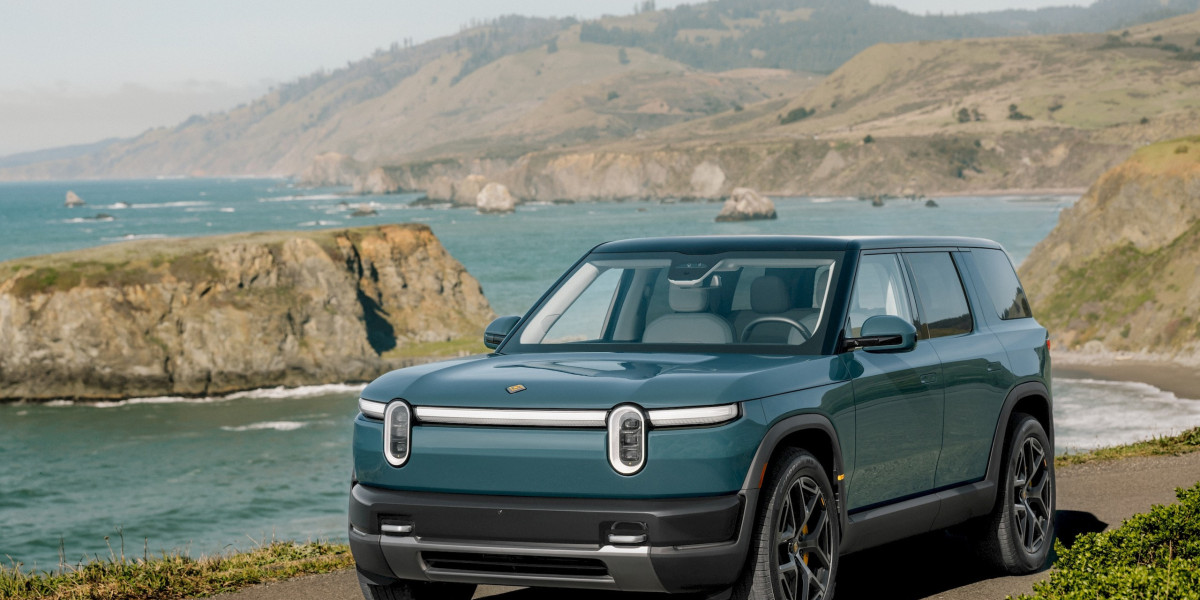
Electric Car News 2026: Latest Trends, Innovations, and Market Growth
Introduction
The global automotive industry is rapidly shifting toward electric mobility. In 2026, electric cars (EVs) are no longer a future concept—they are becoming the standard. With advancements in battery technology, charging infrastructure, and government incentives, EV adoption is growing faster than ever.
Latest Electric Car Trends in 2026
1. Longer Battery Range
Modern electric vehicles now offer 400–700 km range per charge, reducing range anxiety significantly. Automakers are focusing on solid-state batteries for even better performance.
2. Ultra-Fast Charging Technology
New charging systems can charge EVs up to 80% in 15–20 minutes, making long-distance travel more convenient.
3. Affordable Electric Vehicles
Many companies are launching budget-friendly EVs, making electric mobility accessible to a wider audience.
4. Expansion of Charging Infrastructure
Countries across Europe, including Switzerland, are expanding public charging networks to support EV growth.
Top Electric Car Brands Leading the Market
Several global automakers are dominating the EV market:
- Tesla – Known for innovation and long-range EVs
- BYD – Rapidly growing global EV brand
- Volkswagen – Expanding ID series EV lineup
- BMW – Premium electric mobility solutions
- Hyundai – Affordable and efficient EVs
Government Policies and EV Incentives
Governments worldwide are encouraging EV adoption through:
- Tax reductions and subsidies
- Free or discounted charging
- Investment in charging infrastructure
- Bans on petrol/diesel vehicles in coming years
In Switzerland, EV adoption is increasing due to eco-friendly policies and strong infrastructure.
Benefits of Electric Cars
1. Zero Emissions
Electric cars produce no tailpipe emissions, helping reduce air pollution.
2. Lower Running Costs
Electricity is cheaper than fuel, and EVs require less maintenance.
3. Quiet and Smooth Driving
EVs offer a silent and vibration-free driving experience.
4. Eco-Friendly TechnologySupports global efforts to combat climate change.
Challenges Facing Electric Vehicles
- Limited charging stations in some regions
- Higher upfront cost compared to fuel cars
- Battery recycling and environmental concerns
Future of Electric Cars
The future of EVs looks promising with innovations such as:
- Solid-state batteries
- Autonomous driving features
- Wireless charging roads
- AI-powered vehicle systems
Experts predict that by 2030, electric vehicles will dominate the global automotive market.
Q1: Are electric cars worth buying in 2026?
Yes, EVs offer lower running costs, eco-friendly performance, and improved technology, making them a smart investment.
Q2: How long does an EV battery last?
Most EV batteries last 8–15 years depending on usage and maintenance.
Q3: Is charging infrastructure improving?
Yes, charging networks are expanding rapidly worldwide, especially in Europe.