
SUVs are among the largest and fastest-growing automotive categories today. Over the past couple of decades, they have become one of the most popular choices of vehicle for singles, couples, and families alike. Their practicality, size, and rugged character make them suitable for a wide variety of driving situations, from the everyday commute to the occasional off-road excursion.
We are taking a closer look at two midsize SUVs with different personalities, but some traits in common. A combustion engine powers one, while the second has an all-electric powertrain. We’re talking about the and the
One is a long-standing model with decades of history behind it, whose current generation has recently arrived on the market. The other is a completely new addition to the Rivian lineup, which was only just released this year. Let’s take a look at these two models side by side, what each has to offer, and which one we think makes the best purchase. This is an on-paper comparison of specs, rather than a real-life test.
For those familiar with Rivian’s aesthetic and design, the R2 would be immediately recognizable as part of the brand’s lineup. The model closely resembles its bigger sibling, the R1S. Some of the core features the two vehicles share include the iconic vertical oval headlights and the Rivian signature blend of classic and modern style.
The 4Runner adopts a more traditional design approach, though it still offers a visual upgrade over the outgoing fifth-generation model, which ended in 2024. The headlights are sharper and more angular, the grille has been reworked with the bar running across it being eliminated, and the rear end has been refreshed and modernized.
Powertrain: Gas Vs. Electricity
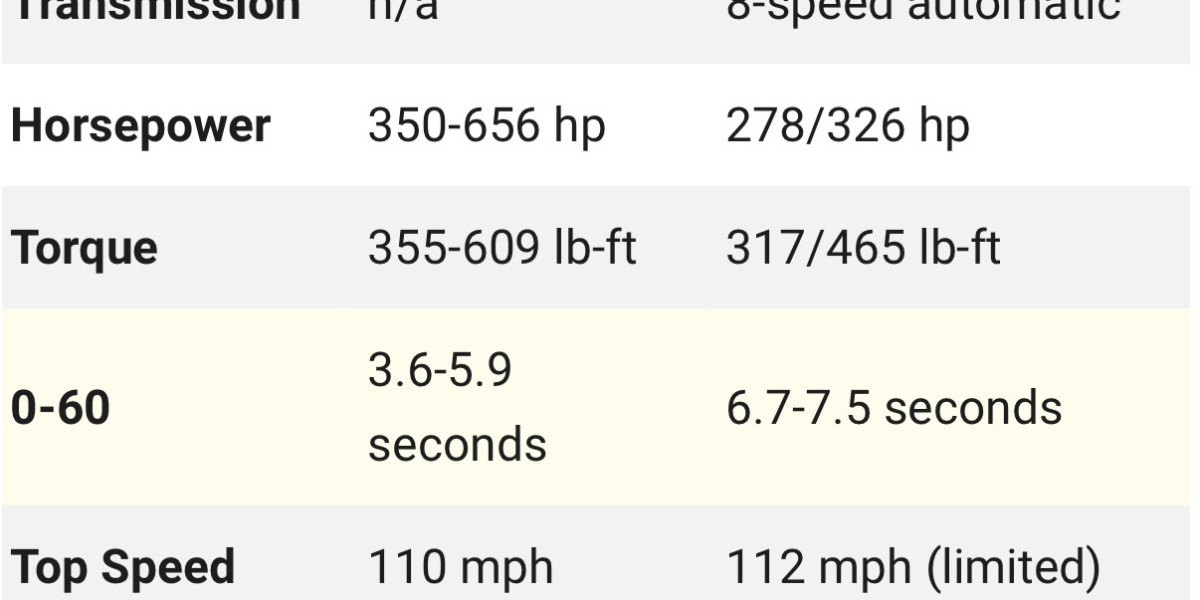
The R2’s lineup includes three different choices of all-electric powertrains, available as part of the Standard, Premium, and Performance trim levels. The Standard trim comes with a single motor, producing 350 hp and powering the rear wheels. The Premium and Performance trim levels, on the other hand, offer a dual-motor AWD setup. In the Premium, the total power output is 450 hp, while in the Performance, it goes up to 656 hp.
The 4Runner, of course, offers a very different driving experience: there is no all-electric option, as the model is primarily combustion-powered with a hybrid version available. The standard engine is a 2.4-liter turbocharged inline-four, producing 278 hp and 317 lb-ft of torque. The engine is paired with an eight-speed automatic transmission; a rear-wheel-drive layout is standard, with four-wheel-drive being offered as an option. The 4WD system comes with a two-speed transfer case with high and low range, boosting the 4Runner’s off-road prowess.